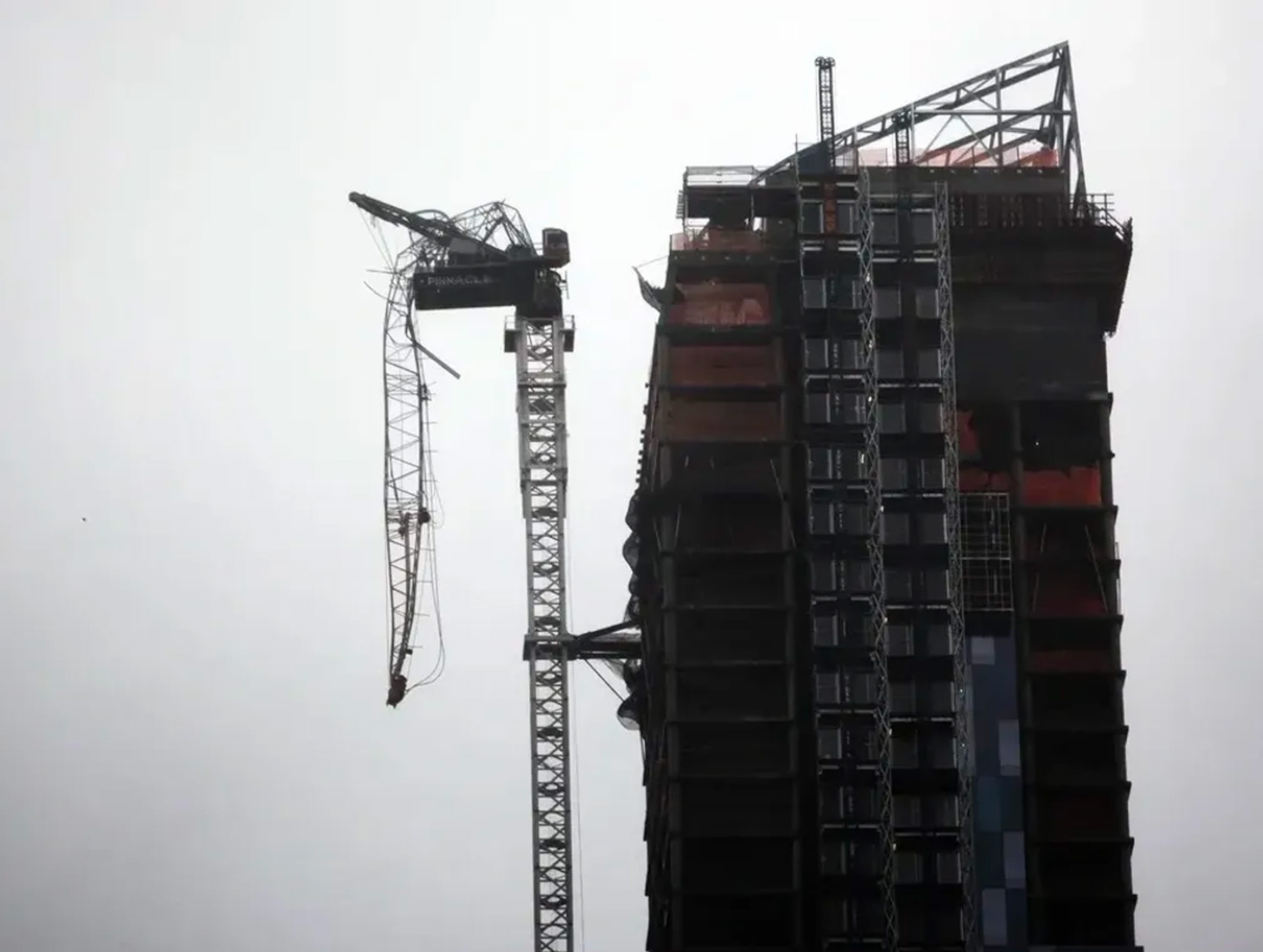
Crane accident cases often involve more than a single mistake. A serious crane incident may include questions about crane setup, ground conditions, lift planning, rigging, load control, operator decisions, communication, inspection records, supervision, and job-site coordination.
For attorneys, insurers, and construction professionals, the early review of documents and site facts can shape the entire direction of a crane accident claim. The goal is not simply to determine that an accident happened, but to understand how and why it happened.
Start With the Lift Plan
The lift plan is often one of the most important documents in a crane accident investigation. It may help show whether the crane was properly selected, whether the load weight was understood, whether the lift radius was calculated, and whether the work was treated as a critical lift.
In many cases, the lift plan should be compared against the actual site conditions. A plan may look complete on paper, but the real question is whether the crew followed it and whether it matched the conditions present at the time of the lift.
Review Crane Setup and Ground Conditions
Crane setup can be central to determining causation. Attorneys should look at outrigger placement, matting, soil or surface conditions, slope, access limitations, obstructions, and whether the crane was positioned within the intended working radius.
Ground condition disputes are common because the stability of a crane depends heavily on the surface beneath it. The available evidence may include photos, site plans, daily reports, weather information, contractor documents, and witness testimony.
Evaluate Rigging and Load Control
Rigging issues can include sling selection, connection points, load balance, load securement, use of tag lines, communication between workers, and whether the load was controlled during the lift.
A dropped load, uncontrolled swing, or failed rigging assembly may require a close review of who selected the rigging, who inspected it, who directed the lift, and whether the crew followed accepted lifting practices.
Operator Decisions and Communication
Crane operators often rely on signal persons, lift directors, supervisors, and other crew members. A crane accident investigation should consider whether communication was clear, whether hand signals or radios were used properly, and whether the operator had enough information to perform the lift safely.
Operator decision-making may also involve load chart use, setup confirmation, pre-lift inspection, blind picks, response to changing conditions, and stopping work when conditions appear unsafe.
Inspection, Maintenance, and Training Records
Attorneys should request and review inspection records, maintenance documents, crane certifications, operator qualifications, training records, repair history, pre-shift inspection forms, and any post-incident inspection findings.
These records can help show whether the equipment was in proper condition, whether known issues existed before the incident, and whether the people involved were qualified for the work being performed.
Why Expert Review Matters
Crane accident litigation often depends on technical details that are easy to overlook. A practical crane expert can help connect the documents, site facts, crane operation, and construction procedures into a clear explanation of what happened.
Expert Crane Witness provides independent review for crane accident claims, crane collapse matters, rigging failures, lift planning disputes, OSHA-related issues, and construction litigation.
Need Help Reviewing a Crane Accident Case?
Contact Expert Crane Witness to discuss crane accident investigation, lift planning review, rigging analysis, or expert witness support.
Discuss a Case